How to Choose the Best Food Safety Kits for Your Home?
Food safety is critical at home. The increasing number of foodborne illnesses emphasizes the need for effective precautions. According to the CDC, one in six Americans gets sick from contaminated food each year. This staggering statistic highlights the importance of understanding Food Safety Kits.
Experts recommend that households be equipped with these kits. Dr. Sarah Thompson, a leading food safety expert, states, "Food Safety Kits are essential tools for every home chef." These kits often include thermometers, testing strips, and guidelines for safe food handling. Ensuring that your kitchen is prepared for potential hazards can prevent illness.
However, choosing the right Food Safety Kits can be daunting. There are various options available. Many kits may lack essential items. Others may include tools that don't meet safety standards. Evaluating each kit is vital to safeguarding your family's health. Always consider your specific needs and how the kits can help enhance your food safety practices.
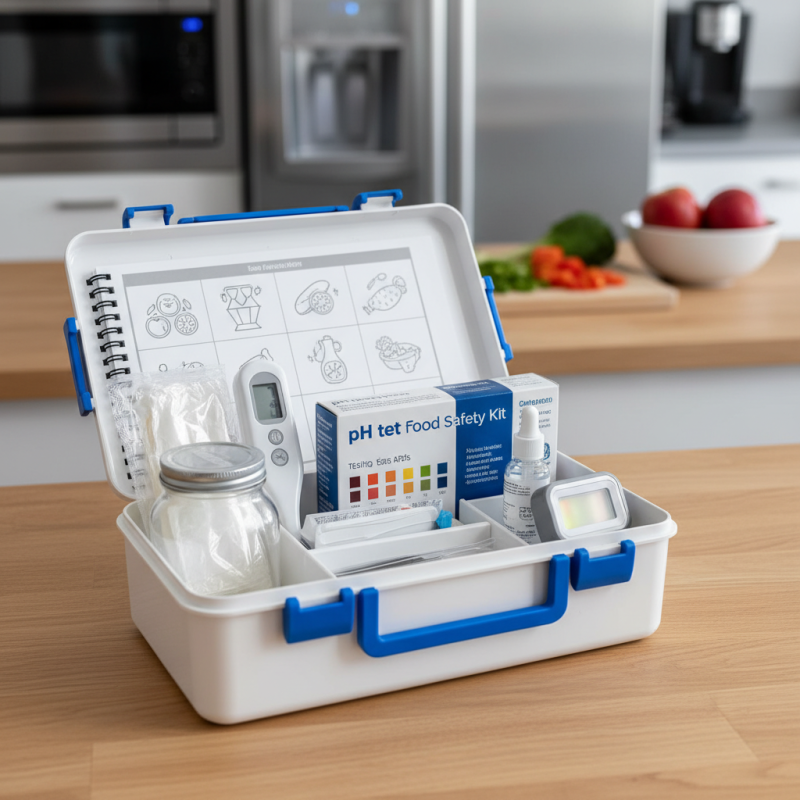
Understanding the Importance of Food Safety Kits in Your Home
In today's world, food safety is crucial for every home. Food safety kits play an essential role in preventing foodborne illnesses. These kits provide the tools needed for safe food storage, preparation, and handling. They often include thermometers, gloves, and storage containers. Ensuring food safety can significantly reduce the risk of contamination.
However, not everyone is aware of the importance of these kits. Many people assume that their cooking habits are safe enough. This assumption can lead to unsafe practices, like improper food storage. It is vital to recognize that just cleaning surfaces is not enough. Having a comprehensive food safety kit helps bridge the gaps in our food safety practices.
Choosing the right food safety kit may feel overwhelming. It requires understanding your unique needs and kitchen habits. Some may overlook the necessity of keeping food at the correct temperatures. Others may fail to consider cross-contamination risks. Reflecting on one's habits can lead to better choices. Ultimately, investing in food safety kits is an investment in your family's health.
Key Features to Look for in Food Safety Kits
When selecting food safety kits for your home, key features are essential. Look for kits that include essential tools like thermometers and pH test strips. These devices help gauge food temperatures and acidity levels, which are vital to prevent foodborne illnesses. According to the CDC, nearly 48 million Americans get sick from food each year.
Materials are equally important. Ensure that the kits use high-quality, BPA-free plastics. Durability impacts how effectively the tools perform over time. Some kits may seem appealing priced low, but their quality can reflect on your food safety practices. Research indicates that over 60% of families do not use food thermometers, risking undercooked meals.
Consider user-friendly instructions. Complex guides can lead to mistakes, which defeat the purpose. A study from the Food Safety and Inspection Service shows that only 10% of people thoroughly check food safety guidelines. Clarity in your kit's contents is crucial for effective use in daily cooking. Every detail counts when safeguarding against food poisoning risks.
Types of Food Safety Kits Available for Home Use
When it comes to food safety at home, choosing the right kit is crucial. Various types of food safety kits cater to different needs. For instance, a basic food thermometer is essential for checking internal temperatures of meats. This tool can prevent undercooking, which may lead to foodborne illnesses. A simple error can be the difference between safety and risk.
Another type of food safety kit includes testing strips for pH levels. They help ensure that acidic foods are stored correctly. If the level is too high, spoilage might occur. It’s easy to overlook this detail but critical to address. A clean kitchen is not just about appearances; it’s also about understanding the conditions that affect food preservation.
For those who dig deeper, comprehensive kits offer more tools. These may include gloves, sanitizers, and temperature guides. Sometimes, mixing these items can seem overwhelming. Proper usage of each tool requires knowledge and practice. Regular calibration of thermometers is often neglected, leading to inaccurate readings. Reflecting on these habits can enhance food safety significantly.
Food Safety Kits Usage in Homes
How to Evaluate and Compare Different Food Safety Kits
When evaluating food safety kits, focus on essential features. Look for kits that include thermometers, gloves, and surface sanitizers. According to the FDA, improper food handling leads to 48 million illnesses each year in the U.S. This highlights the importance of having reliable safety equipment at home.
It’s crucial to check the accuracy of thermometers. Some may not meet industry standards. A study showed that 30% of household thermometers were found to be unreliable. Consider the storage methods for the kits. Many users forget how to store them properly, risking contamination. Educational resources assisting in proper usage can significantly improve safety practices.
Also, assess the durability of the materials included. Low-quality items could break after a few uses. Remember that not all kits cover the same range of food safety. Sometimes, you may find a kit lacking in critical components. Regularly reviewing and updating your kit can prevent potential issues. This can lead to a safer kitchen environment.
Best Practices for Maintaining and Using Food Safety Kits
Food safety kits are essential for maintaining a healthy kitchen. Proper usage and maintenance are critical. According to the USDA, around 48 million people experience foodborne illnesses in the U.S. each year. Having a well-stocked kit can significantly reduce this risk.
Start by checking your food thermometer regularly. A study by the FDA indicates that inaccurate thermometers can lead to undercooked meats. This can dangerously elevate the chance of bacterial growth. Replace batteries as needed. Hygienic storage for cutting boards and utensils is crucial. Bamboo and plastic boards are less porous, reducing bacteria retention.
Regularly assess your inventory. Restock items such as food-safe gloves and sanitizer. If you notice expired products, dispose of them responsibly. A report from the CDC notes that cleanliness in the kitchen can cut illness rates by over 50%. Monitor your cleaning supplies as well. Many people fail to consider how long their supplies last. Neglecting this can lead to ineffective cleaning and increased risk of contamination.
How to Choose the Best Food Safety Kits for Your Home? - Best Practices for Maintaining and Using Food Safety Kits
| Dimension | Details |
| Type of Food Safety Kits | Basic Safety Kit, Deluxe Safety Kit, Professional Safety Kit |
| Key Components | Thermometers, Hygiene Products, Test Strips, Cleaning Supplies |
| Maintenance Frequency | Monthly checks and replacements as needed |
| Storage Conditions | Cool, dry place away from direct sunlight |
| User Guidelines | Follow manufacturer's instructions, Proper usage of thermometers, Regular training |
| Emergency Items | First Aid Supplies, Emergency Contact List, Flashlight |