Best Cold Therapy Products for Pain Relief and Recovery?
Cold therapy products have become essential for pain relief and recovery. Whether you are dealing with a sports injury or chronic pain, these products can help. They provide a simple yet effective way to reduce inflammation and numb the aching area.
Using cold therapy, individuals often find relief after just a few minutes. Ice packs, gel wraps, and cold compresses are popular choices. Each product serves a unique function, catering to diverse needs. However, not all cold therapy products are created equal. Some may lack the effectiveness you'd expect. It takes time to find the right one for your situation.
Investing in a high-quality cold therapy product can lead to better recovery outcomes. Consider your lifestyle and specific needs. Do you need something portable, or do you prefer a more stationary option? Don’t hesitate to read reviews and compare features. This process can be a bit overwhelming but is worth it in the end. Your body deserves the best care possible.

Best Cold Therapy Products for Pain Relief and Recovery
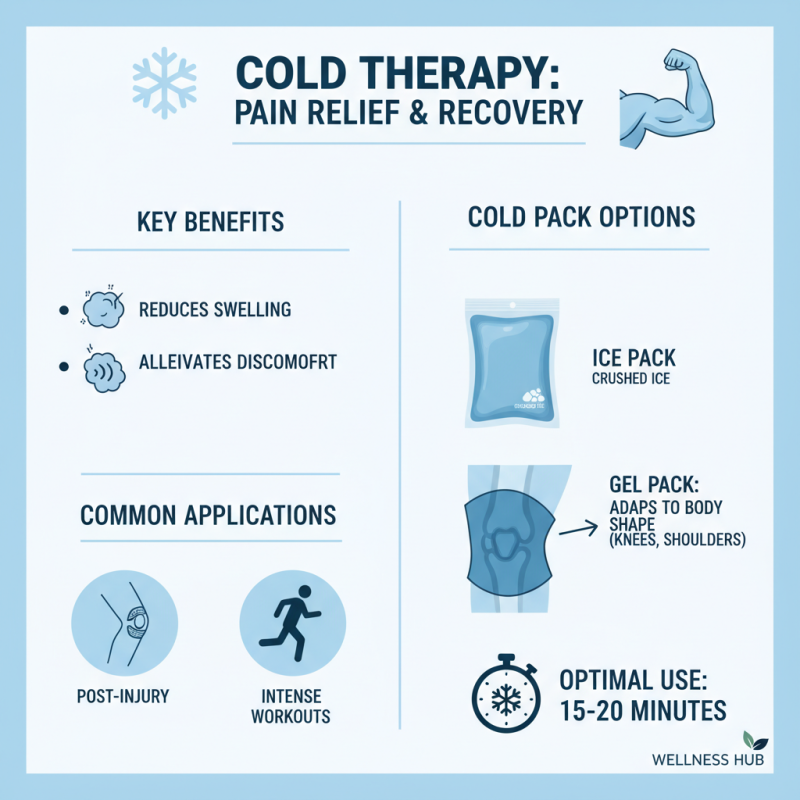
Cold therapy can be a game-changer for pain relief and recovery. It’s widely used to reduce swelling and alleviate discomfort after injuries or intense workouts. Ice packs are common, but many other options exist. Gel packs adapt to any body shape, making them ideal for knees or shoulders. Use them for 15-20 minutes to maximize effectiveness.
Cold compression wraps are also popular. They combine cold therapy with compression, which helps control swelling better than either method alone. Try applying it before physical activity to prepare your muscles. However, remember not to apply ice directly to the skin. It can cause frostbite if left on too long.
Ice baths are another option. However, plunging into icy water isn’t for everyone. It can be uncomfortable and intimidating. Some find it difficult to stay in for more than a few minutes. If this isn't for you, even simple ice packs can provide significant benefits. Finding the right method often requires some trial and error. Listen to your body, and adjust as needed.
Understanding the Science Behind Cold Therapy and Pain Relief
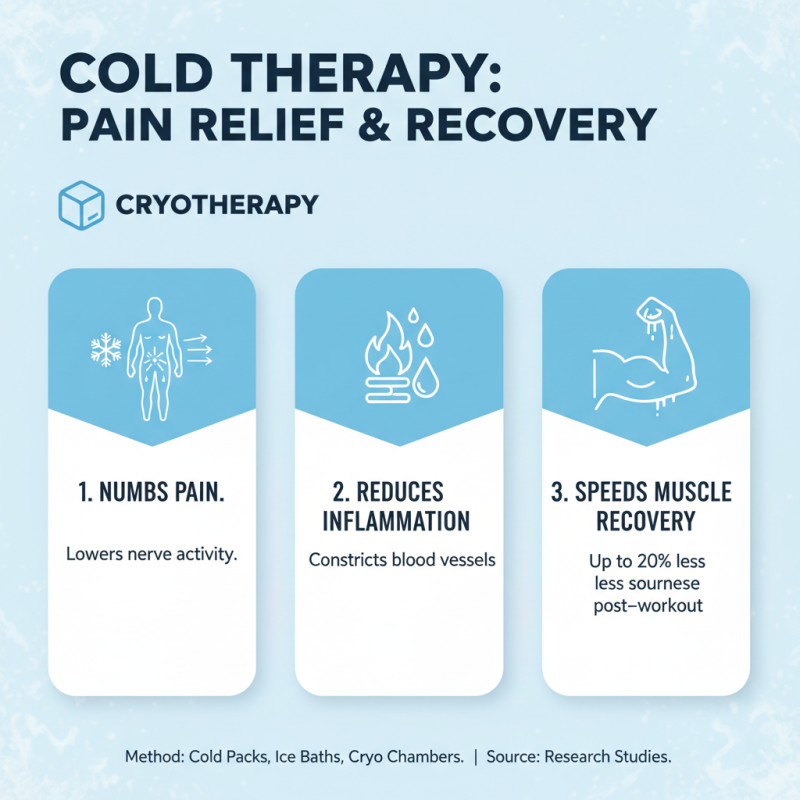
Cold therapy, also known as cryotherapy, is widely used for pain relief and recovery. It works by reducing blood flow, which helps decrease swelling and inflammation. According to a report from the American Journal of Sports Medicine, utilizing cold therapy can significantly lower perceived pain levels by up to 40% in athletes. This demonstrates its effectiveness, especially after intense physical activity.
The science behind cold therapy lies in its impact on nerve conduction. Cold temperatures can numb the area, slowing the transmission of pain signals to the brain. A study published in the Journal of Rehabilitation Research and Development indicates that applying ice can improve recovery time. Participants who used cold packs felt less soreness after exercise. However, improper use of cold therapy can lead to issues like tissue damage. Many people might not apply the cold for the right duration. There is no one-size-fits-all approach; individual experiences vary.
While cold therapy shows promise, it is not a universal solution. Recovery depends on the type and severity of the injury. Some individuals might notice little to no change. This inconsistency raises questions about its effectiveness. Further research is needed to understand the best practices in cold therapy. Users should approach this treatment method with caution, considering both its benefits and limitations.
Best Cold Therapy Products for Pain Relief and Recovery
This chart illustrates the effectiveness ratings of various cold therapy products commonly used for pain relief and recovery. The effectiveness is rated on a scale from 1 to 10, providing insights into which products are most beneficial in managing pain.
Top Cold Therapy Products: Features, Benefits, and Effectiveness
Cold therapy is a favored method for pain relief and recovery. This technique, often referred to as cryotherapy, uses low temperatures to numb pain and reduce inflammation. Research shows that applying cold can lessen muscle soreness after intense workouts by up to 20%.
Effective cold therapy products include ice packs, gel wraps, and cold compression devices. Ice packs are portable and easy to use. They provide immediate relief for acute injuries. Gel wraps conform to the body, offering a snug fit for targeted therapy. Cold compression devices combine cold with controlled pressure. This dual action enhances the therapeutic effects and speeds up recovery.
Tips: Experiment with different products. What works for one person may not work for you. Ensure you don’t apply cold therapy for too long; 15 to 20 minutes is usually sufficient. Pay attention to how your body responds. If you feel excessive numbness or pain, stop immediately. Not all injuries improve with cold therapy. Sometimes, a different approach is necessary. Always consult a professional when in doubt.
Comparative Analysis: Cold Packs, Ice Machines, and Cryotherapy
Cold therapy is widely recognized for its effectiveness in pain relief and recovery. When comparing cold packs, ice machines, and cryotherapy, each method has unique benefits and drawbacks. Cold packs are portable and easy to use. They are ideal for localized pain, like a sprained ankle. However, they can be a bit awkward to position properly.
Ice machines provide continuous cold that can target larger areas. They can be more efficient than traditional cold packs. Still, they require electricity and may not be convenient for travel. Using these machines for an extended period may lead to discomfort or skin irritation. It’s crucial to monitor time to avoid adverse effects.
Cryotherapy offers a more advanced approach, utilizing extreme cold for brief sessions. This method can boost recovery and reduce inflammation effectively. Yet, it often needs professional supervision. Some users report discomfort during sessions. Understanding personal limits is vital. Individuals should reflect on what method suits them best based on their specific needs and circumstances. Each method can play a role in effective pain management. Choosing the right one may require some trial and error.
Best Cold Therapy Products for Pain Relief and Recovery
| Product Type |
Effectiveness |
Ease of Use |
Price Range |
Portable |
| Cold Packs |
Moderate |
Very Easy |
$10 - $30 |
Yes |
| Ice Machines |
High |
Moderate |
$150 - $300 |
No |
| Cryotherapy |
Very High |
Difficult |
$60 - $100 per session |
No |
Clinical Guidelines for Cold Therapy Use in Pain Management
Cold therapy is a widely used method for managing pain and promoting recovery. According to a report by the American Academy of Orthopaedic Surgeons, cold therapy can reduce inflammation and numb painful areas. When applied correctly, it may provide relief for muscle strains, sprains, and post-surgical recovery.
Clinical guidelines recommend applying cold therapy for 15 to 20 minutes at a time. It should be repeated every one to two hours as needed. It’s essential to use a barrier, like a towel, between ice and skin to prevent damage. Keep a watchful eye. Skin conditions can worsen if misapplied.
Tips: Always assess the affected area before applying cold therapy. If the pain persists, consult a healthcare provider. Listen to your body; it can signal if cold therapy is not working. Remember, too much cold can lead to frostbite. A reliable approach to pain relief requires balance and attention.