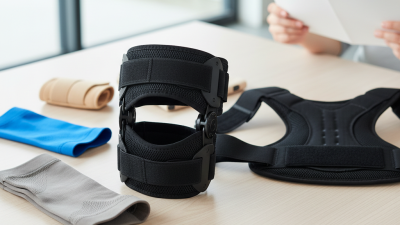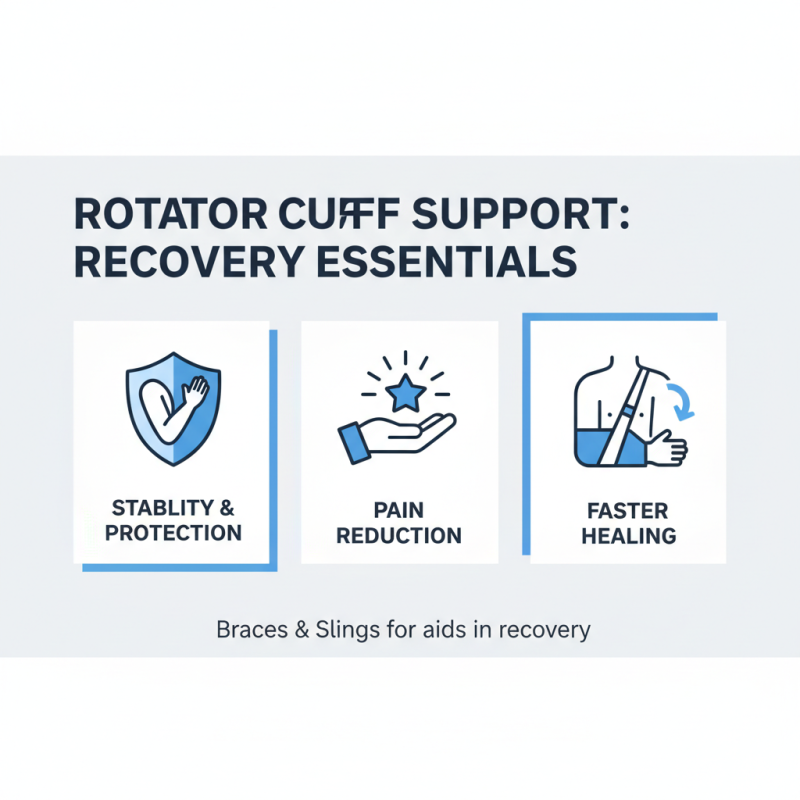
Recovering from a rotator cuff injury can be a challenging journey. Many individuals seek effective ways to heal and regain strength. One practical solution is the use of rotator cuff support devices. These devices are designed to provide stability and comfort to the injured area. They help to reduce pain and promote healing.
Rotator cuff support can also enhance mobility during recovery. By supporting the shoulder, these devices enable users to perform exercises safely. They assist in minimizing the risk of further injury. Using such devices allows for a more structured rehabilitation process. However, some people may feel restricted or uneasy while using them.
It's important to remember that everyone's recovery journey is unique. Not all devices work for everyone. Some may find they need to adjust their usage as they heal. Others may need to reflect on how to best integrate the support into their daily routine. The benefits of rotator cuff support devices are clear, yet personal experiences may vary widely.
Rotator cuff injuries are common and can severely affect mobility. According to the American Academy of Orthopaedic Surgeons, around 2 million Americans visit a doctor for shoulder pain each year. This pain limits overhead activities and everyday tasks, such as reaching for items or lifting. The rotator cuff consists of muscles and tendons that stabilize the shoulder joint. When injured, simple movements can become challenging.
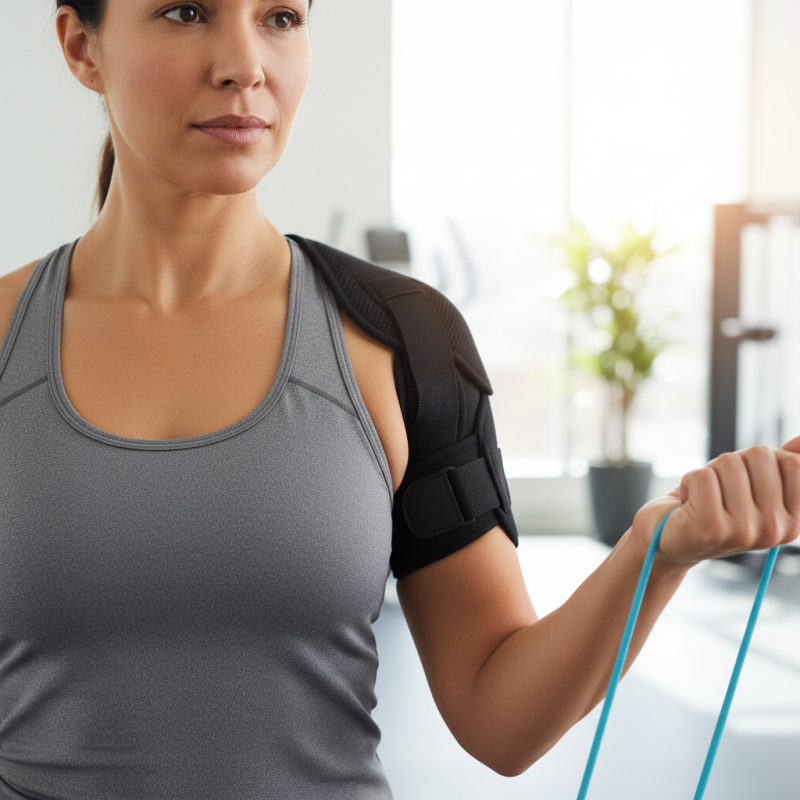
Using rotator cuff support devices can aid recovery and enhance mobility. These devices stabilize the shoulder, allowing for proper healing. Studies indicate that patients using support devices report a 30% reduction in pain after a few weeks. The psychological aspect is crucial; wearing a support device can give individuals a sense of security during the healing process. However, not all devices fit perfectly, and some may cause discomfort. It's vital to find a suitable option for optimal recovery.
Injury recovery timelines vary. Some people may regain full function within a few weeks, while others could take months. Physical therapy often complements the devices, facilitating a comprehensive approach to recovery. Regular assessments are necessary, as the body responds differently. Recovery is not linear; setbacks may occur. A balanced view of expectations during this time can lead to a more effective healing journey.
Rotator cuff support devices are essential for recovery. They provide stability and help reduce pain. These devices come in various forms, including braces and slings. Each serves a specific purpose. By immobilizing the shoulder, they prevent further injury. This is crucial for healing.
The functionality of these devices extends beyond support. They encourage proper alignment of the shoulder joint. This alignment can speed up recovery times. However, one must ensure a proper fit, as a poorly fitting device may hinder progress. Discomfort can arise if the support is too tight. It's important to regularly check for any irritation.
Using a rotator cuff support device also encourages rest. Rest is vital during recovery. But, this can be challenging for active individuals. It requires mental discipline to refrain from activities. Not everyone finds this easy. Sometimes, people push through the pain, which can lead to more significant issues later on. Listening to the body is key to a successful recovery.
Using support devices for rotator cuff recovery can significantly improve healing. These devices provide stabilization, allowing for proper rest. They help reduce pain and prevent further injury. Many users report increased confidence during rehabilitation. With the right support, patients can regain strength.
Tips: Choose a device that fits well. An ill-fitting support can cause discomfort. Adjust straps for snugness, but not tightness. Always consult a healthcare professional before use.
In addition to physical benefits, these devices can promote better alignment. They encourage correct posture, which is essential for recovery. However, relying solely on support may hinder strength gains. It’s important to blend support with gradual exercises. Find a balance that works for you, and monitor your progress consistently.
Pay attention to any discomfort or change in symptoms. This can be a sign to reassess your approach. Remember, recovery isn't linear. Adjust plans as needed and always listen to your body.
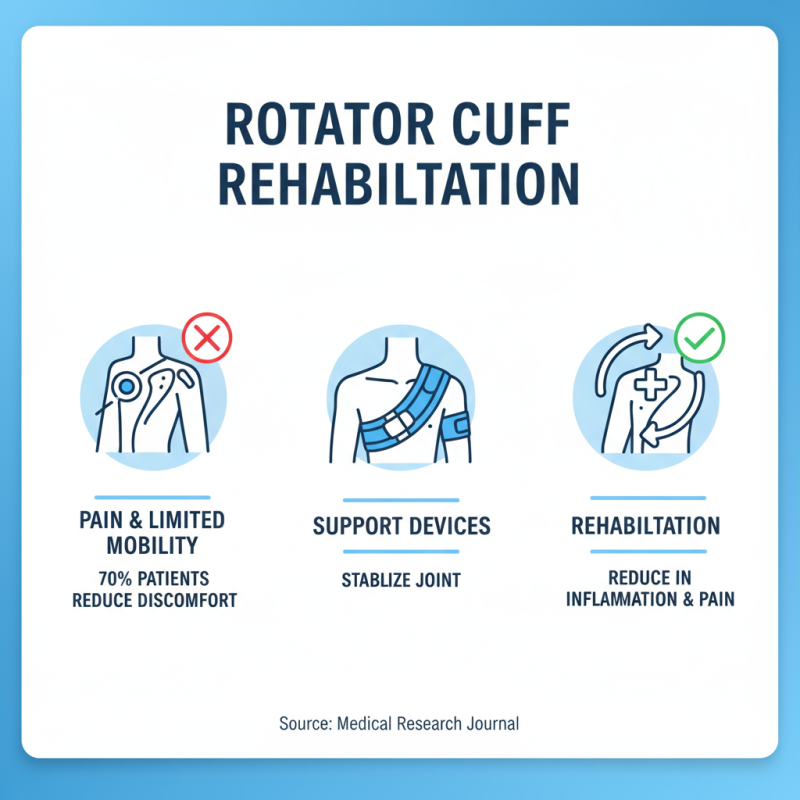
Rotator cuff injuries often lead to pain and limited mobility. Support devices play a crucial role in rehabilitation. These devices help stabilize the shoulder joint, reducing inflammation and pain. According to research, nearly 70% of patients report less discomfort using these supports.
One significant benefit of these devices is their ability to promote proper posture. When the shoulder is correctly aligned, it decreases strain on the rotator cuff. A report from the American Journal of Sports Medicine notes that using supportive devices can enhance recovery by up to 30%.
Tips for effective use: Always ensure a proper fit for maximum support. A loose device can lead to further injury. Gradually increase activity levels as pain decreases. Being aware of your limits is essential.
Support devices also aid in pain management. They work by redistributing stress on the shoulder. The National Institutes of Health highlights that consistent use can lead to a 50% improvement in pain levels over time. However, relying solely on these devices is not advisable. Engage in physical therapy for comprehensive recovery.
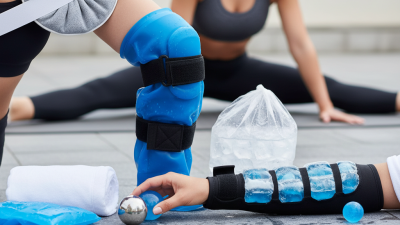
Another tip: Combine support devices with icing and gentle exercises. This balanced approach can greatly enhance your rehabilitation journey. Remember, everyone heals differently. Monitor your progress and adjust your methods accordingly.
When choosing a rotator cuff support device, comfort should be a priority. The device must fit well. A poorly fitting brace can cause additional pain. Adjustability is crucial. Look for models that offer various size options. This ensures you get the right support without restriction.
Material is another important consideration. Breathable fabrics can enhance comfort during use. It prevents excessive sweating, which can be distracting. Some devices offer extra padding for added comfort. These small features can significantly impact recovery.
Finally, consult with a healthcare professional. Seek advice on what type of support is needed. Their insights can guide your choice. Remember, recovery devices are not one-size-fits-all. Take the time to find the right fit for your individual needs. Reflect on your progress regularly and adjust the device as necessary.
| Benefit | Description | Considerations |
|---|---|---|
| Pain Reduction | Supports the injured area, reducing strain and pain. | Select a device that provides adequate cushioning. |
| Mobility Support | Helps maintain range of motion while protecting the shoulder. | Opt for a design that allows controlled movement. |
| Stabilization | Provides stability to prevent further injury. | Ensure the device fits snugly for maximum support. |
| Injury Prevention | Reduces the risk of re-injury during recovery. | Choose a device tailored to your specific activity level. |
| Enhanced Healing | Supports the natural healing process with proper alignment. | Look for devices that promote alignment and posture. |
| Comfort | Designed for ergonomic support, enhancing wearing comfort. | Select materials that are breathable and flexible. |
| Improved Posture | Encourages better posture, benefiting overall shoulder health. | Make sure the device encourages a neutral shoulder position. |
| Customization | Many devices allow for size adjustments and personal fits. | Ensure that the device has adjustable features. |
| Versatility | Can be used for various activities, both rehabilitation and daily tasks. | Choose a multi-functional device if needed. |
| Psychological Benefit | Provides patients with a sense of security and control. | Select a device that feels reassuring and supportive. |
© 2023 Bird & Cronin, LLC. All Rights Reserved.

In observance of the 4th of July holiday, our offices will be closed on July 3rd & 4th.