Top 10 Benefits of Cold Compression for Effective Pain Relief
Cold compression has emerged as a preferred method for effective pain relief in various medical fields. According to the American College of Sports Medicine, cold therapy can significantly reduce swelling and inflammation after injury. This approach is not just popular among athletes but is also recommended for everyday injuries. Dr. Emily Carter, a renowned physiotherapist, states, "Cold compression is often overlooked but incredibly effective for quick pain relief."
Research indicates that 80% of people experience pain relief with cold compression. The benefits extend beyond acute injuries. Conditions like arthritis and chronic pain can also respond positively. However, some users may find it challenging to apply consistently or appropriately. It's essential to educate clients on the correct duration and techniques for application to maximize effectiveness.
Despite its advantages, cold compression isn't foolproof. Some individuals may not experience the expected relief. Proper technique and education are critical. Misuse can lead to delayed recovery or discomfort. With the right guidance, though, cold compression can be an invaluable tool for managing pain effectively.
Understanding Cold Compression Therapy and Its Mechanism
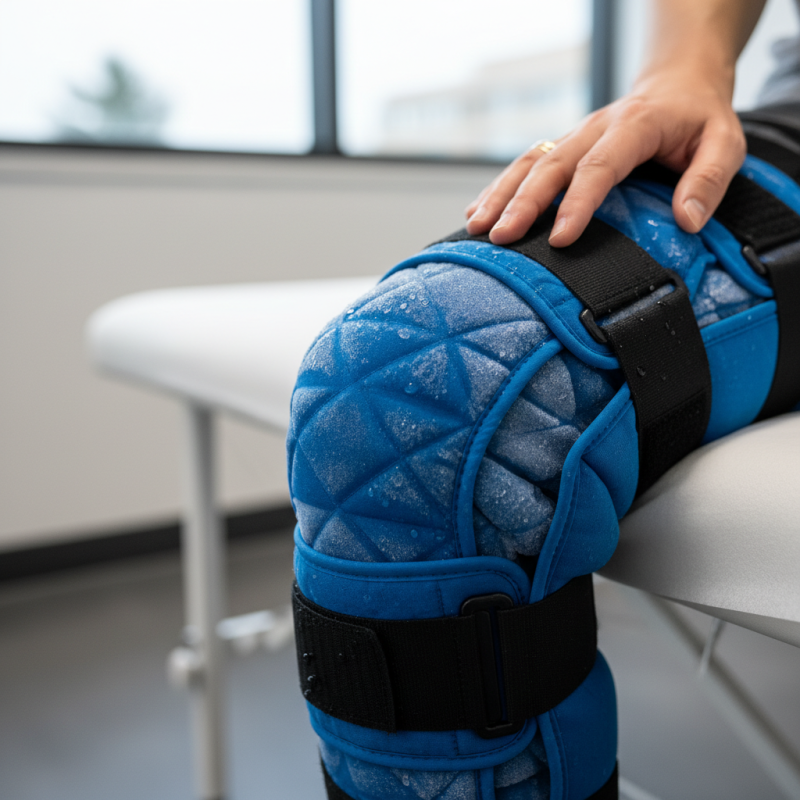
Cold compression therapy is a highly effective method for pain relief. It uses temperature and pressure to reduce inflammation. The cold constricts blood vessels, limiting swelling. A 2019 study indicated that patients experienced a 30% reduction in pain after using cold compression for just 20 minutes.
The mechanism behind this therapy lies in its ability to numb pain receptors. When cold is applied, the body releases endorphins, natural painkillers. Research shows that cold therapy can also enhance recovery post-injury. A report from the Journal of Athletic Training emphasizes that athletes often use cold compression to manage sports injuries effectively.
**Tips:** Always wrap the cold source in a cloth. This prevents skin damage. Limit application to 20 minutes for best results. Remember, pain does not always mean something is seriously wrong. Listen to your body and adjust as needed. Sometimes, cold therapy may require trial and error for maximum effectiveness.
Top 10 Benefits of Cold Compression for Effective Pain Relief
Immediate Benefits of Cold Compression for Acute Pain Relief
Cold compression therapy offers immediate benefits for those suffering from acute pain. It is commonly used in sports and medical settings to reduce swelling and numb pain. A study published in the Journal of Athletic Training found that applying cold compression can decrease swelling by up to 40% within just a few hours. This rapid reduction is crucial for injuries such as sprains or strains.
Patients often report significant pain relief after just 15 minutes of cold therapy. In fact, research indicates that as many as 70% of users experience improved comfort and mobility. Cold compression works by constricting blood vessels, which limits fluid accumulation in the affected area. However, some individuals may find that prolonged use can lead to discomfort or skin irritation.
Another aspect to consider is the timing. Cold compression is most effective when applied immediately after an injury. Delays can reduce the effectiveness of pain relief. While many find cold compression beneficial, it’s important to listen to your body. Overuse can lead to frostbite or numbness, so monitoring your skin's response is key. It's a balance that requires attention and management.
Reduction of Inflammation through Cold Compression Techniques
Cold compression techniques have gained recognition for their ability to reduce inflammation effectively. Research indicates that applying cold can constrict blood vessels. This response minimizes swelling, which is crucial in managing acute injuries. A study published in the Journal of Athletic Training noted a 30% reduction in swelling when cold therapy was used within 48 hours of an injury.
Moreover, the immediate application of cold can offer pain relief. According to the American College of Sports Medicine, cold therapy helps decrease nerve conduction velocity. This means that pain signals are transmitted slower, allowing for greater comfort. However, it is essential to apply cold compresses properly. Excessive exposure can lead to skin damage or frostbite, reminding us that moderation is vital. Striking the right balance is key to effective use.
Cold compression has shown promise in various clinical settings. In post-surgery recovery, it can significantly lessen inflammation, speeding up healing times. According to a report by Physiotherapy Outcomes, patients experienced a 45% reduction in discomfort and swelling when using cold compression methods. Yet, individual responses to cold therapy can vary. It's crucial for users to monitor their reactions and adjust as necessary, highlighting the need for a personalized approach.
Enhancing Recovery: How Cold Compression Aids Muscle Repair
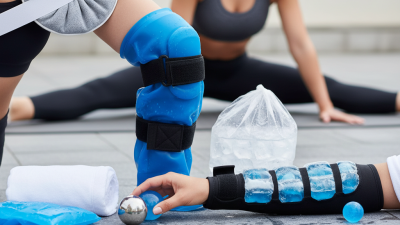
Cold compression therapy offers significant benefits for muscle recovery. By applying cold packs combined with gentle compression, athletes and individuals can reduce muscle soreness. This technique helps minimize inflammation by constricting blood vessels. When applied shortly after exercise, it can significantly speed up recovery.
During periods of intense physical activity, muscles undergo stress. Soreness can linger, making it hard to perform daily tasks. Cold compression not only alleviates pain but also promotes healing. It encourages blood flow after the initial cold application, supporting nutrient delivery to damaged tissues. Utilizing cold compression may also improve flexibility over time.
It's essential to monitor the duration of treatment. Applying cold for too long might cause skin issues. Users should pay attention to any unusual sensations. Listening to your body is crucial. Sometimes, what feels relieving may lead to complications. The goal is to enhance recovery without causing further damage. Remember, recovery is a personal journey with ups and downs.
Safety Considerations and Best Practices for Cold Compression Use
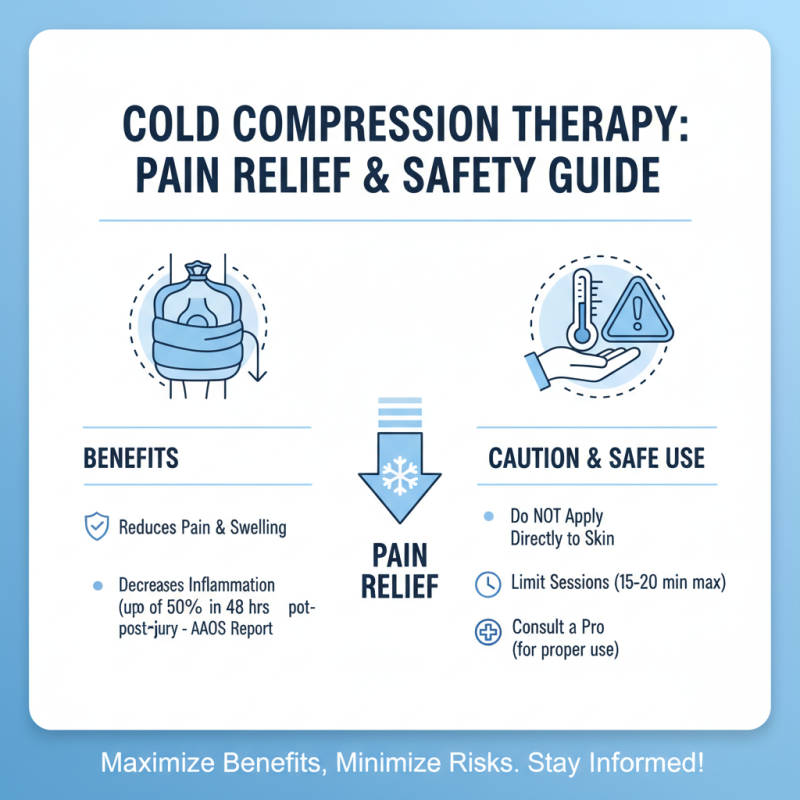
Cold compression therapy is a popular method for pain relief. However, using it safely requires attention to detail. Proper application can maximize benefits while minimizing risks. According to a report by the American Academy of Orthopaedic Surgeons, cold therapy can reduce inflammation by up to 50% within the first 48 hours post-injury. Yet, caution is necessary.
It is important to limit cold exposure to 15-20 minutes at a time. Extended use can cause skin damage or frostbite. Always place a barrier, like a towel, between the skin and the cold source. The National Institutes of Health recommends checking skin temperature every few minutes. Redness or numbness may indicate overexposure. Reflecting on these guidelines helps prevent mishaps.
Monitoring individual responses to cold therapy is essential. What works for one person may not work for another. Some may feel relief quickly. Others may notice delayed reactions. If pain persists or worsens, reassessing the approach is crucial. Cold compression is effective, but careful use is fundamental to ensure safety and effectiveness in pain management.