2026 Top Wrist Cast Innovations and Trends to Watch?
As the field of orthopedic care evolves, innovations in the wrist cast market are gaining traction. Experts are particularly excited about upcoming trends. Dr. Emily Thompson, a renowned orthopedic surgeon, states, "The future of wrist casts lies in combining comfort with cutting-edge technology." This phrase encapsulates the anticipated advancements that could redefine patient experiences.
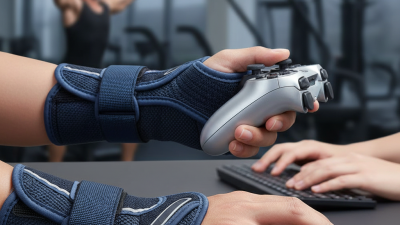
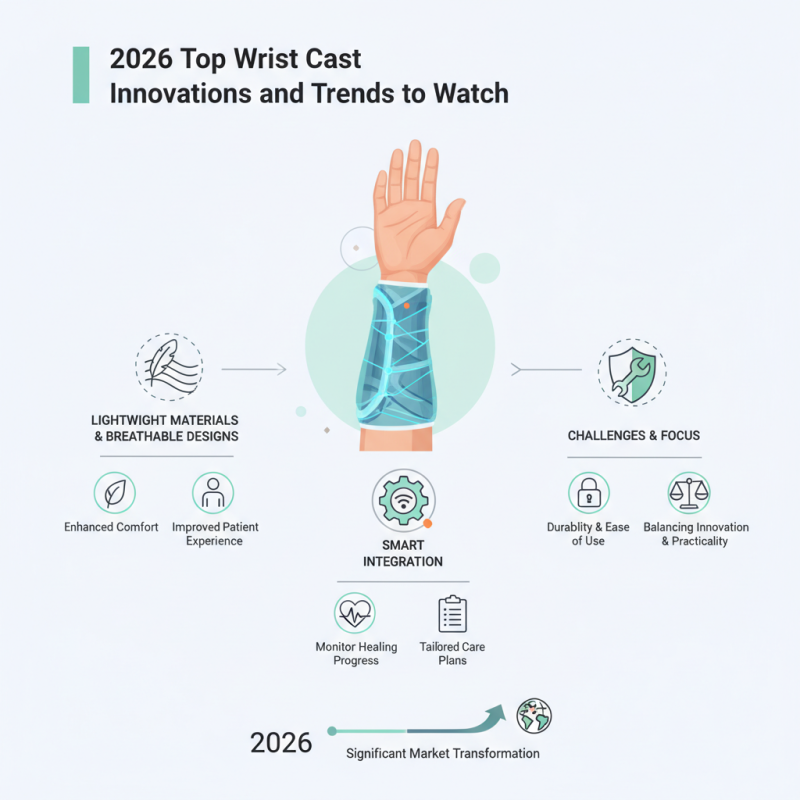
In 2026, the wrist cast industry is expected to focus on lightweight materials and breathable designs. These developments promise enhanced patient comfort during recovery. It's evident that traditional methods don't always provide the best experience. Some patients find conventional casts heavy and cumbersome. The push for more efficient solutions is driven by real-world feedback.
Moreover, smart technology integration is emerging as a key trend. Casts equipped with sensors can monitor healing progress. This innovation could lead to tailored care plans. Yet, there are challenges, such as ensuring durability and ease of use. Balancing innovative features with practicality remains a critical focus for manufacturers. The wrist cast market is on the verge of significant transformation, demanding careful consideration from all stakeholders involved.
Top Technologies Advancing Wrist Cast Design for Enhanced Patient Comfort
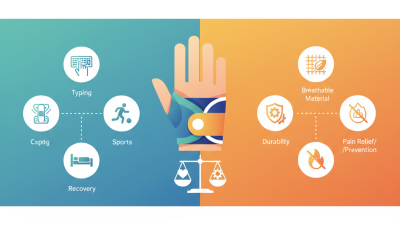
The landscape of wrist cast design is evolving, focusing on enhancing patient comfort. Recent innovations emphasize lightweight materials that do not compromise resilience. New designs feature breathable fabrics to minimize moisture buildup. These advancements provide much-needed ventilation, improving overall user experience.
Another exciting trend is customizable casts. Patients can choose colors and patterns, making the experience more personalized. This not only boosts morale but also encourages adherence to wearing the cast. Smart technology integration is on the rise as well. Some designs incorporate sensors to monitor healing progress, providing real-time data to healthcare providers.
Despite these advancements, challenges remain. Some patients still report discomfort and restricted mobility. Manufacturers are still refining ergonomic designs to address this issue. There’s also room for improvement in the adaptability of these casts for different activities. The focus is not just on aesthetics but also on functionality. The journey towards the perfect wrist cast continues.
Current Market Trends: The Rise of Customizable Wrist Casts in 2026
In 2026, the landscape of wrist casts is evolving rapidly. Customizable wrist casts are becoming more popular among patients and healthcare providers. This trend reflects a shift towards personalization in medical devices. Advances in technology allow for more flexible designs that cater to individual needs. Rather than settling for standard options, users can choose casts that fit their unique lifestyles.
These customizable casts often feature various colors and patterns. This not only enhances patient satisfaction but also promotes user engagement with their recovery process. Imagine a child selecting a vibrant cast adorned with their favorite characters. Such choices can significantly boost morale during healing. However, there are challenges. Not all healthcare professionals are trained to guide patients in selecting these options effectively.
Moreover, affordability remains a concern. Custom casts may sometimes come with a higher price tag, limiting accessibility for some. It is essential for the industry to balance innovation and affordability. As this trend grows, continuous feedback from users can help refine these products. A commitment to quality and user-centered design will ultimately define the success of customizable wrist casts.
2026 Top Wrist Cast Innovations and Trends to Watch
| Innovation/Trend |
Description |
Market Impact |
User Feedback |
| 3D Printed Casts |
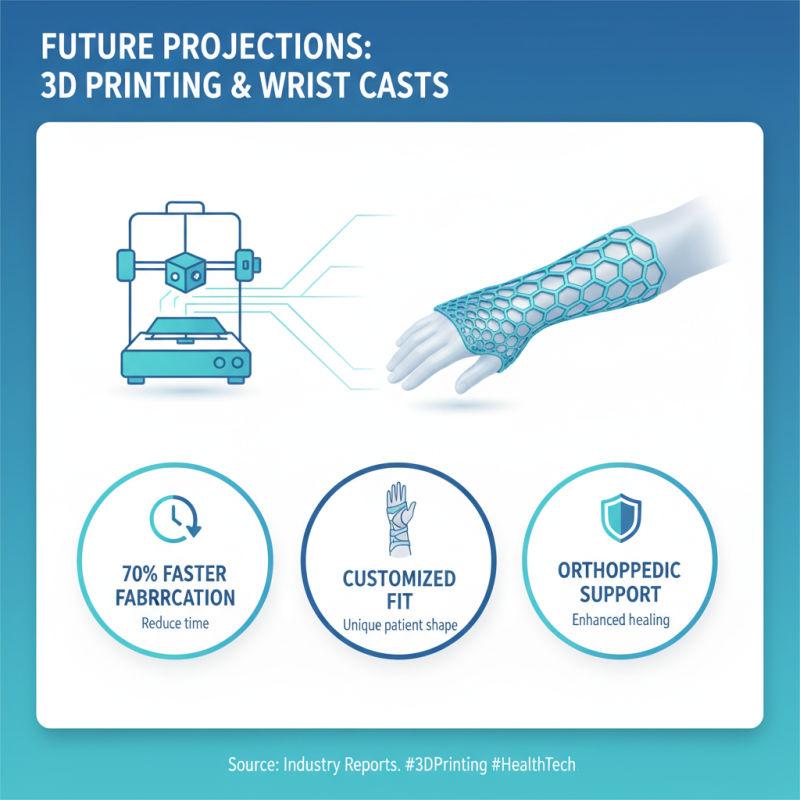
Custom-fit casts created using 3D printing technology for enhanced comfort. |
Significant reduction in production time and cost efficiency. |
Users report increased satisfaction due to comfort and fit. |
| Smart Casts |
Wrist casts equipped with sensors to monitor healing progress. |
Allows for quicker adjustments and better patient outcomes. |
Positive feedback for improved patient engagement and monitoring. |
| Eco-friendly Materials |
Use of biodegradable and recyclable materials for cast production. |
Encourages sustainability in healthcare practices. |
Users appreciate the environmental aspect of their treatment. |
| Comfort Padding Innovations |
Developments in padding materials to enhance comfort and reduce irritation. |
Higher compliance rates among patients due to increased comfort. |
High user satisfaction as discomfort is minimized. |
| Personalization Options |
Ability to customize colors and designs to reflect personal style. |
Increases marketability and user engagement. |
Users enjoy expressing themselves through their casts. |
Innovative Materials: How Smart Fabrics are Revolutionizing Casts
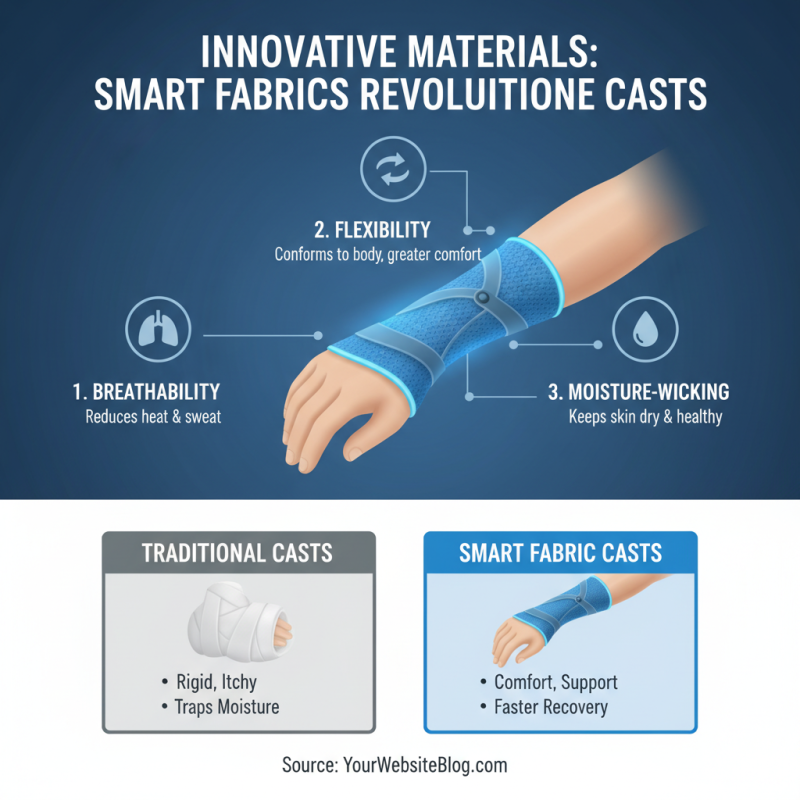
The realm of wrist casts is witnessing remarkable changes with the introduction of innovative materials. Smart fabrics are not just a trend; they are transforming how we approach immobilization and recovery. These fabrics offer breathability, flexibility, and moisture-wicking properties. Unlike traditional casts, these materials can provide comfort while ensuring proper support.
One significant innovation is the incorporation of sensors within the fabric. These sensors can monitor healing progress, sending real-time data to healthcare providers. This capability allows for timely adjustments to treatment, enhancing the recovery process. However, the technology is still in its early stages. There are concerns about durability and the accuracy of sensor data. Feedback from patients indicates a need for improvement in user experience.
Another exciting aspect is the potential for customizable designs. Smart fabrics can be printed with various colors or patterns, allowing patients to express their individuality. Yet, the cost of production may limit accessibility for some. Finding a balance between aesthetics and functionality remains a challenge. As the field evolves, it is essential to address these imperfections while optimizing the benefits that smart fabrics can bring to wrist casts.
Patient-Centric Approaches: Integrating User Feedback in Cast Development
In recent years, the development of wrist casts has shifted towards patient-centric designs. Traditional casts often neglect user needs, leading to discomfort. By integrating user feedback into the design process, manufacturers can create casts that prioritize comfort and functionality. Listening to real experiences allows engineers to refine their designs.
A successful wrist cast must increase usability. Incorporating adjustable features can enhance fit and comfort. This small change can significantly impact a patient's quality of life. Regular user feedback sessions are crucial. Engaging patients helps identify issues that may not be apparent to developers. Real-world testing delivers insights that lab environments miss.
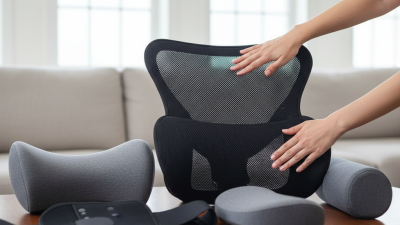
Tips for improving comfort include selecting breathable materials that reduce sweat. Also, consider customizing the cast with soft padding in high-friction areas. Regularly check for signs of irritation, as even small discomforts can become significant issues over time. Promoting an active dialogue between users and developers is essential for future innovations. Understanding genuine needs leads to better designs, ultimately benefiting everyone.
2026 Top Wrist Cast Innovations: User Feedback Influence